

What Should We Pay Attention to When Growing Flowers at Home?
Expert Guide: What Should We Pay Attention to When Growing Flowers at Home
The joy of fresh flowers should not be limited to a weekly delivery. For the discerning homeowner, cultivating your own flowering plants indoors is a deeply rewarding expression of artistry and patience. However, while a cut flower needs maintenance, a growing flower needs a complete ecosystem.
As Bloom & Art, a leading flowershop serving London and the UK, we understand that successful indoor gardening requires attention to specific, critical details. This guide outlines the fundamental principles of growing flowers at home, transforming potential frustration into guaranteed success. By mastering these essentials, you will ensure your plants not only survive but thrive, producing vibrant, long-lasting blooms that rival the best professional arrangements.
Successful indoor flowering comes down to replicating the plant’s natural habitat as closely as possible. It is a delicate balance of light, water, and nourishment. Neglecting just one of these pillars can lead to failure.
1.The Foundation: Light and Location
Light is the single most important factor and the primary source of energy for every flowering plant. Without sufficient light, a plant will struggle to photosynthesize the energy needed to produce buds.
1.1. Understanding Light Intensity and Direction
The direction your window faces determines the intensity and duration of light your plant receives—a crucial detail to pay attention to when growing flowers at home.
- South-Facing Windows: Offer the most intense, direct light all day long. This is ideal for sun-lovers like Geraniums, Hibiscus, and certain succulents. However, this intensity can scorch delicate leaves, so careful placement or sheer curtains may be required.
- East-Facing Windows: Provide bright morning light, which is gentle and warm. This is perfect for plants that need a good dose of light but cannot tolerate the harsh midday sun, such as African Violets, Orchids, and most foliage plants.
- West-Facing Windows: Provide strong afternoon light, which can be hot. This often suits plants that need a balance—bright light to trigger flowering but protection from excessive heat.
- North-Facing Windows: Offer the least amount of light, suitable only for shade-tolerant plants. Very few flowering plants will thrive here without supplemental lighting.
1.2. The Importance of Photoperiodism
Many indoor flowering plants (like Christmas Cactus or Cyclamen) are guided by photoperiodism—the length of the day versus the night. To successfully trigger a re-bloom, you must pay attention to the plant’s natural bloom cycle.
- Simulating Dormancy: Some plants require a period of short days (more hours of darkness) or a period of cooler temperatures to initiate bud set. Failing to provide this rest period means the plant will remain vegetative (only growing leaves) and will not flower.
1.3. Avoiding Heat and Drafts
A common mistake is placing flowering plants too close to windows, radiators, or air conditioning vents. Sudden temperature swings are highly stressful.
- Drafts: Cold drafts can cause bud drop.
- Radiators: Extreme heat from a radiator will rapidly dehydrate the plant, causing blooms to wither quickly and buds to shrivel. Maintaining a steady, moderate ambient temperature is essential for home flower care.
2.Mastering the Watering Routine
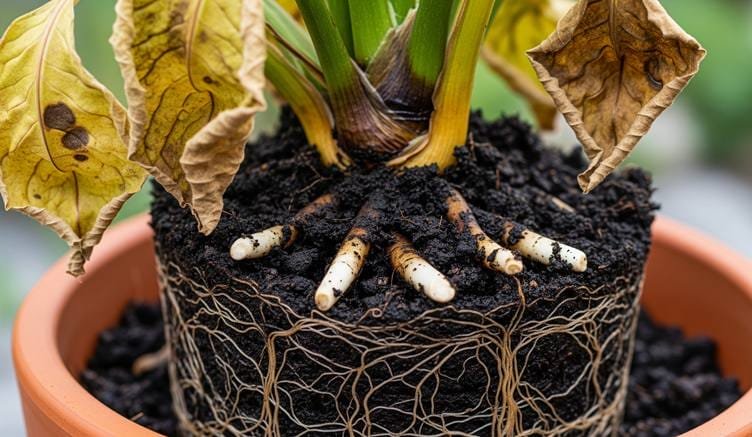
Improper watering is the number one cause of failure for those learning what should we pay attention to when growing flowers at home. Both over- and under-watering are detrimental, but overwatering leads to the fatal condition of root rot.
2.1. The “Soak and Dry” Method: The Golden Rule for Growing Flowers at Home
Never water on a rigid schedule. Water only when the plant genuinely needs it.
- The Finger Test: Insert your finger about two inches deep into the soil. If the soil feels dry, it’s time to water. If it feels cool and moist, wait.
- Soak Thoroughly: When you do water, ensure the entire soil mass is saturated until water flows freely out of the drainage holes. This ensures the entire root ball is watered.
- Drain Completely: Do not allow the plant to sit in standing water. Empty the saucer within 15 minutes of watering. Stagnant water leads to oxygen deprivation and invites fungal diseases.
2.2. Water Quality and Temperature
Pay attention to the quality and temperature of the water you use.
- Tepid Water: Always use water that is at room temperature or slightly tepid. Cold water shocks the roots and can cause temporary dormancy.
- Chlorine: If your local tap water is heavily chlorinated, let the water sit in an open container for 24 hours before use. This allows the chlorine to dissipate.
2.3. Humidity Management
Many popular indoor flowering plants—like Orchids, Gardenias, and Hoyas—originate from humid, tropical environments. Dry indoor air (common in central-heated UK homes) is a significant issue.
- Misting: Lightly misting the foliage (avoiding the blooms themselves) can provide temporary relief.
- Pebble Trays: Place the pot on a saucer or tray filled with pebbles and water. Ensure the bottom of the pot does not touch the water, allowing the evaporation from the tray to naturally raise the humidity around the plant.
3.Nourishment and Soil Health
A flowering plant uses far more energy and nutrients than a non-flowering foliage plant. The correct potting medium and feeding schedule are paramount.
3.1. The Right Potting Mix: Aeration is King
The soil must be well-draining to prevent root rot (a topic covered in depth by Bloom & Art guides). A dense, compacted soil mix suffocates the roots.
- The Recipe: Amend standard indoor potting mix with coarse materials like perlite, pumice, or fine orchid bark. This adds air pockets and structure, facilitating the vital oxygen exchange the roots need.
3.2. Fertilizing During the Active Growing Phase
Fertilizer provides the necessary NPK (Nitrogen-Phosphorus-Potassium) ratio. Pay attention to the role of each:
- Phosphorus (P): This element is crucial for flower and bud formation. When growing flowers at home, you need a fertilizer with a higher middle number (e.g., 10-20-10) during the active growing and blooming season.
- Nitrogen (N): Promotes leafy growth. Too much nitrogen will result in a plant with lush, beautiful leaves but no flowers (known as ‘going blind’).
- The Schedule: Fertilize every 2-4 weeks during spring and summer (the active growth phase) and cease feeding entirely during the autumn and winter rest period.
3.3. When and What Should We Pay Attention to When Growing Flowers at Home for Repotting
Only repot your flowering plant when it is actively root-bound—meaning the roots circle the outside of the soil mass.
- Timing: Repotting should be done just before the active growth season begins, usually in early spring. Never repot when the plant is actively blooming, as the shock can cause it to drop all its flowers.
- Size: Only move up one pot size (e.g., from a 4-inch to a 6-inch pot). A pot that is too large holds too much excess soil, which retains water and increases the risk of rot.
4.Maintenance and Encouraging Re-Bloom
Proper maintenance is the continuous practice that ensures long-term success and repeated floral displays.
4.1. The Art of Deadheading
Deadheading is the process of removing spent, withered blooms. This is vital for two reasons:
- Aesthetics: It keeps the plant looking tidy and prevents the energy-consuming process of seed production.
- Continuous Flowering: By removing the old flower, the plant is signaled to redirect its energy into creating new buds, encouraging a continuous flush of blooms throughout the season.
4.2. Pruning for Shape and Airflow
Regular, light pruning not only maintains an attractive shape but also serves a vital preventative function.
- Air Circulation: Removing overcrowded, inner branches increases air circulation around the stems and leaves, which reduces the chance of fungal diseases like powdery mildew that thrive in stagnant conditions.
4.3. Rest and Dormancy
Many flowering plants (like Hydrangeas, Cacti, and some Orchids) require a period of rest or dormancy to store energy for the next bloom cycle.
- Simulate Winter: If your plant requires a chill period, reduce watering dramatically and place it in a cooler, darker location for 4-8 weeks to signal the plant that it’s time to rest.
5.The Bloom & Art Final Checklist for Successful Growing Flowers at Home
To guarantee your success, always run through this quick checklist:
5.1. Pest Vigilance
Routinely check the undersides of leaves and leaf joints for common pests like spider mites, mealybugs, and aphids. Early detection is the easiest treatment.
5.2. Cleanliness
Gently wipe dust off broad leaves with a damp cloth. Dust inhibits the plant’s ability to photosynthesize, dulling its energy and reducing its ability to flower.
5.3. Consistency
The final and most important factor is consistency. Plants thrive on routine. Consistency in watering, light exposure, and feeding is what truly sets a dedicated home florist apart.
By integrating these fundamental steps into your routine, you are honouring the commitment to artistry that Bloom & Art pours into every creation. You will be richly rewarded with vibrant, healthy flowers, elevating your home aesthetic with the enduring beauty of your own cultivated blooms.
Related Posts



Find Us On Instagram


M. Pereira says: